Fashion Shoe Launch from Wholesale Footwear Sourcing to Market Success
Launching a successful fashion shoe business requires more than just creative designs and trend predictions. It demands a strategic approach that spans sourcing high‑quality products, understanding market demands, building a reliable supply chain, and executing effective sales and marketing strategies. For aspiring brands and retailers looking to grow and succeed in a competitive landscape, understanding the entire lifecycle of a shoe business—from wholesale footwear sourcing to brand building and market expansion—is essential.
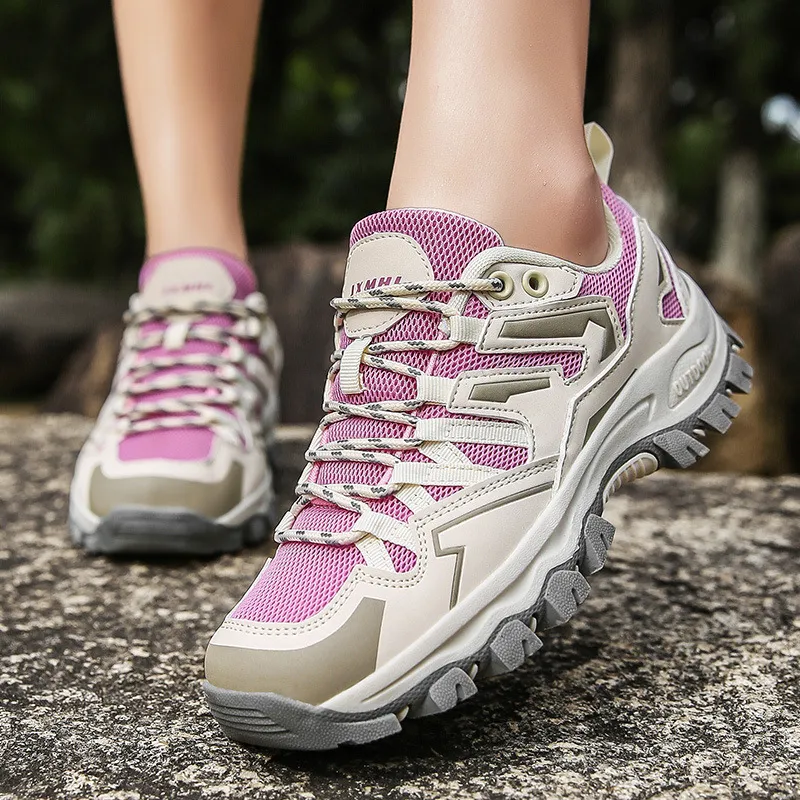
In this comprehensive guide, we will explore how to start a fashion shoe business, make the most of wholesale opportunities, and ultimately drive market success. Throughout this journey, we will highlight key resources and solutions from FashionTIY, a leading online wholesale platform for shoes and fashion accessories.
Chapter 1: Understanding the Fashion Shoe Market
1.1 Trends and Consumer Behavior
The fashion shoe market is dynamic, shaped by evolving trends and consumer preferences. Some of the most influential forces driving demand include sustainability, comfort wear, athleisure trends, gender‑neutral fashion, and online shopping convenience. Staying ahead of these trends allows brands not only to source relevant products but also to innovate their offerings.
1.2 Why Wholesale Matters
Wholesale sourcing is the foundation of scalable retail success. By working with reliable bulk footwear suppliers, business owners can secure competitive pricing, access diverse product catalogs, and maintain consistent inventory levels.
👉 Start your sourcing journey with bulk footwear collections designed for retailers and entrepreneurs.
Chapter 2: Sourcing Shoes from Wholesale Platforms
2.1 Choosing the Right Wholesale Source
Selecting the right wholesale partner sets the tone for your entire business. Key criteria include:
- Affordable pricing and flexible order quantities
- High‑quality products and detailed specifications
- Reliable shipping and inventory transparency
- Responsive customer support
- Trend‑driven product offerings
FashionTIY stands out as a comprehensive wholesale platform that ticks all these boxes for shoe sellers around the world.
2.2 Exploring Key Shoe Categories
Let’s explore essential footwear categories you can source:
Sneakers & Sport Shoes
Athletic and casual sneakers are among the most popular footwear segments.
👉 Source from trusted sneakers wholesale suppliers to ensure trending styles and a wide size range.
Women’s Heels & Elegant Styles
For fashion boutiques and eveningwear retailers, heels are a must‑have.
👉 Browse high‑demand styles at wholesale women heels.
Sandals for All Seasons
Sandals remain a summer essential and a year‑round favorite in warmer regions.
👉 Check out versatile collections at sandals wholesale suppliers.
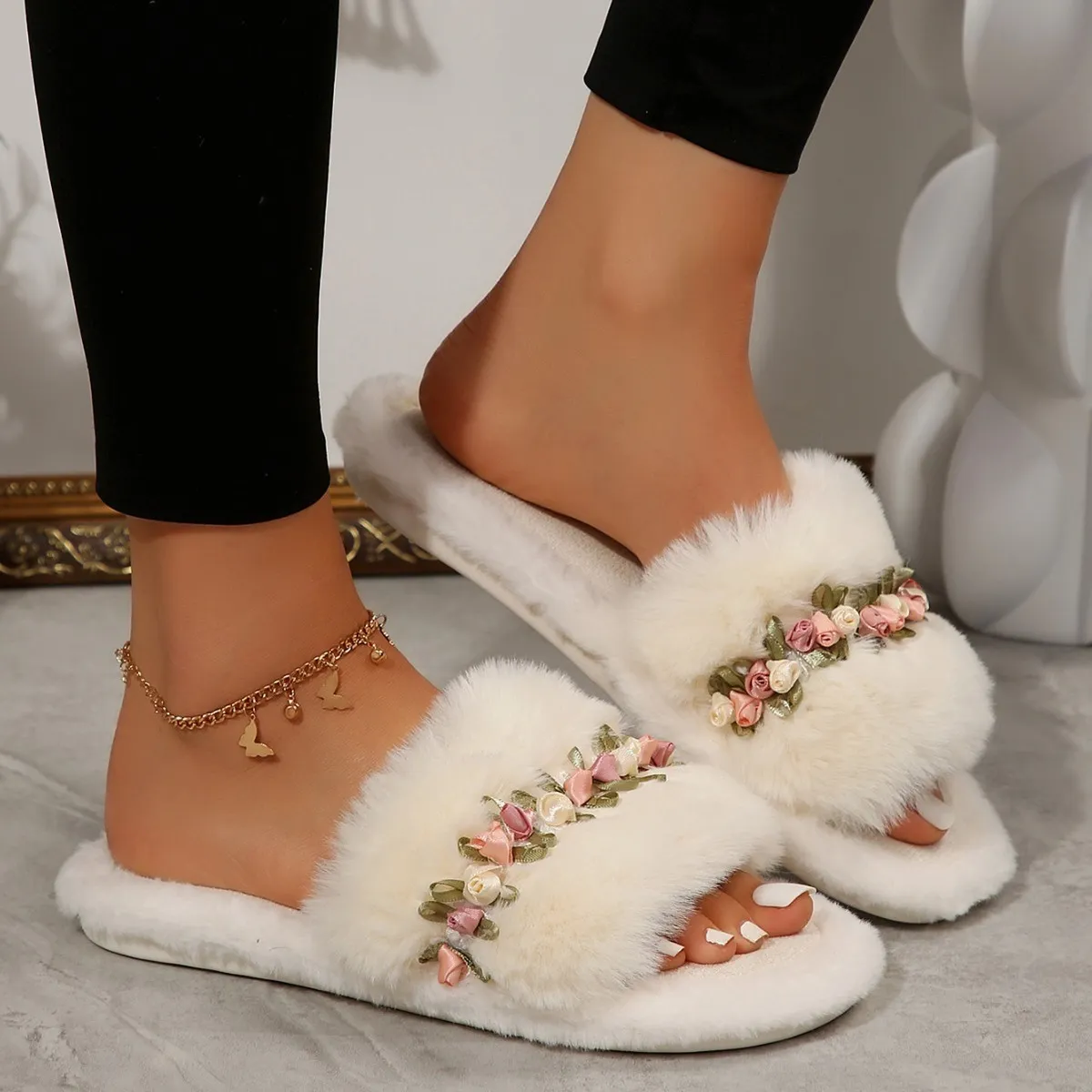
Comfortable Slippers
Slippers are gaining traction, especially in home‑lifestyle and comfort wear segments.
👉 Explore cozy options through wholesale slippers.
Boots for Style & Function
Boots are seasonally strong items that appeal to fashion‑forward and practical consumers alike.
👉 Discover diverse styles with boots wholesale suppliers.
Fashionable Specialty Shoes
From platforms to wedges, offering niche designs can attract trend‑driven shoppers.
👉 Add standout styles with wholesale platform shoes.
Chapter 3: Wholesale Inventory Management
3.1 Balancing Inventory Types
Managing stock is a balancing act. Too little inventory means missed sales opportunities; too much leads to storage costs and cashflow challenges. To manage this effectively:
- Use data insights to forecast demand
- Prioritize best‑selling categories (e.g., sneakers, sandals)
- Adopt a mix of evergreen and trendy styles
3.2 Stock for Demographic Segments
Diversify your inventory by demographic demand:
- Men’s Footwear
👉 Source core styles here: wholesale men shoes - Women’s Collection
Include heels, loafers, mules, and more
👉 Start with wholesale women heels
👉 Add stylish loafers via loafers wholesale
👉 Don’t miss modern mules with mules wholesale - Kids’ Footwear
Ensure options for growing families
👉 Girls’ styles: girls shoes wholesale
👉 Boys’ styles: boys shoes wholesale - Home & Comfort
Slippers for all ages
👉 Explore house slippers wholesale
3.3 Accessories That Grow Sales
Don’t forget packaging essentials like shoe boxes.
👉 Support retail presentation with wholesale shoe boxes.
Chapter 4: Negotiating with Suppliers
4.1 Pricing & MOQ (Minimum Order Quantity)
- Negotiate pricing based on volume
- Arrange tiered discounts for larger orders
- Request samples before bulk purchasing
4.2 Shipping & Logistics
- Decide between FOB (Free on Board) or CIF (Cost, Insurance & Freight) shipping
- Track supplier lead times
- Use reliable freight forwarders and carriers
FashionTIY simplifies logistics by offering global shipments and clear delivery tracking.
Chapter 5: Building Your Brand Identity
5.1 Branding Essentials
Your brand story must resonate with your target audience. Consider:
- Unique brand name and logo
- Signature product styles
- Packaging that reinforces brand recall
- Professional product photos and listings
5.2 Product Differentiation
- Curate exclusive designs
- Add value with product features (e.g., comfort insoles, sustainable materials)
- Adjust your assortments based on sales data
Chapter 6: Pricing for Profitability
6.1 Cost‑plus Pricing
Calculate:
- Cost of goods (COG)
- Shipping and duties
- Marketing costs
Then add your desired markup.
6.2 Competitive Pricing
Analyze your competitors and price accordingly. Use pricing tiers for premium vs. budget styles.
Chapter 7: Sales Channels and Market Reach
7.1 Online Sales Platforms
- Shopify and e‑commerce storefronts
- Amazon and online marketplaces
- Social commerce (Instagram, TikTok Shop)
7.2 Offline Strategies
- Pop‑up stores and weekend markets
- Consignment with local retailers
- Trade shows and fashion expos
Chapter 8: Marketing and Promotion
8.1 Content Marketing
Create engaging content:
- Style guides (e.g., “How to Style Women’s Heels”)
- Seasonal shoe trends (e.g., top sneakers of the year)
- Expert tips (e.g., shoe care and maintenance)
8.2 Social Media Strategy
- Showcase products with high‑quality visuals
- Partner with micro‑influencers
- Use hashtags and trending challenges
8.3 Email Marketing
Build a subscriber list and send:
- Launch announcements
- Discount offers
- Restock alerts
Chapter 9: Customer Service and Retention
Delivering excellent customer service is key to long‑term success:
- Quick response to inquiries
- Easy return and exchange policies
- Loyalty programs and VIP perks
Chapter 10: Scaling Your Shoe Business
10.1 Diversifying Product Lines
Once your initial inventory gains traction, expand into new categories like:
- Boots and weather‑ready styles
- Specialty fashion footwear
- Exclusive seasonal drops
10.2 International Expansion
Consider global shipping and localization:
- Offer localized payments
- Translate product descriptions for key regions
- Understand regional sizing standards
Starting a fashion shoe business is both exciting and challenging. From sourcing quality products and managing inventory to building an identifiable brand and implementing effective marketing strategies, every step plays a vital role in your success. With the right partners and tools, your business can scale efficiently and meet the demands of an ever‑growing global customer base.
FashionTIY provides a complete solution for shoe entrepreneurs—from bulk footwear sourcing and specialized categories, to wholesale options across men’s, women’s, kids’, and comfort styles. By leveraging these resources and following strategic best practices, you can confidently launch and grow a fashion shoe brand that resonates with shoppers worldwide.


Comments
Post a Comment